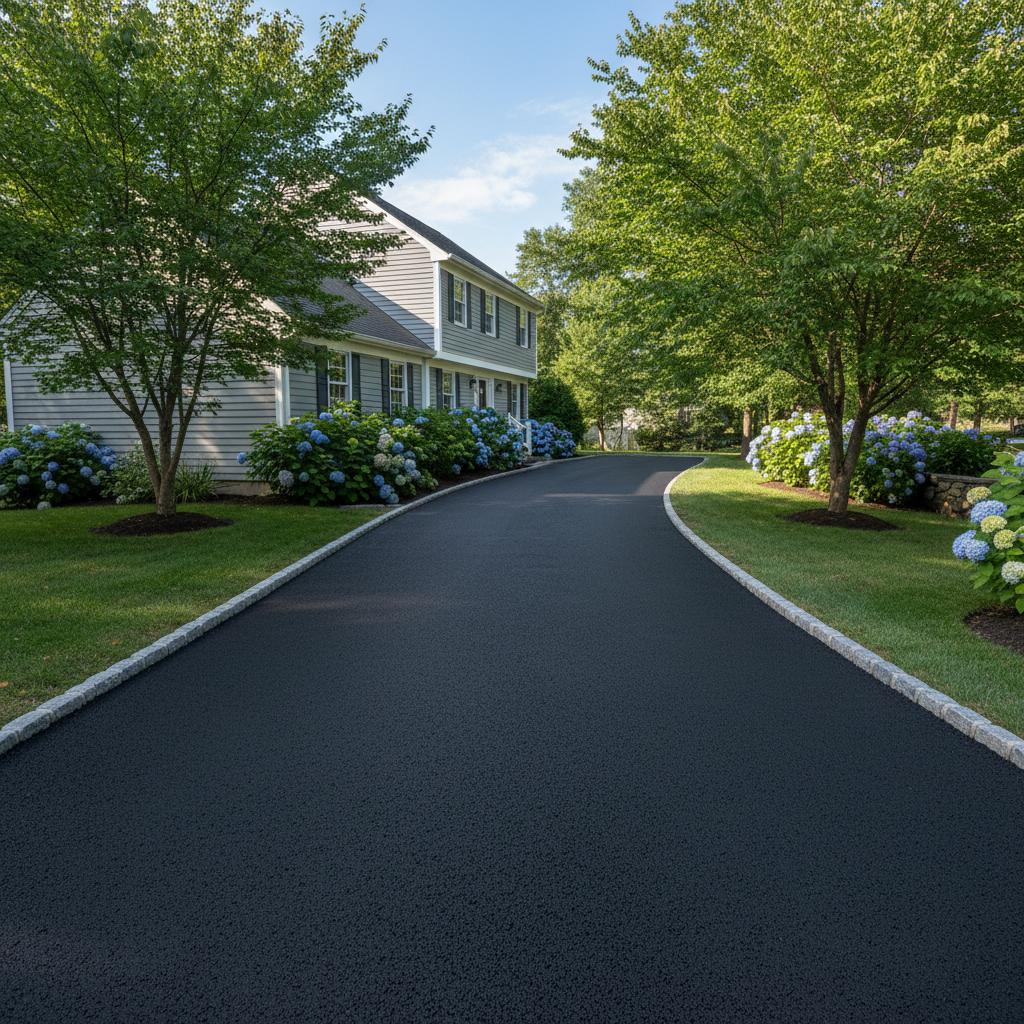
So, you just put in a new asphalt driveway? Or maybe you’ve had one for years and want to keep it looking sharp. Either way, thinking about maintenance is smart. Here in Lynn, our driveways really take a beating, going from scorching summer sun to icy winter freezes. It’s not just about looking good, you know; it’s about protecting your investment and sidestepping bigger headaches down the road.
Your Driveway's Lifespan: It's Easier Than You Think to Make it Last
The biggest thing you can do to make your asphalt last is to watch what you put on it. Heavy loads? Those are the enemy. If you’ve got a big RV, a dumpster for a renovation, or even just some heavy equipment, try to keep it off the asphalt for long stretches. Concentrated weight can cause depressions and cracks, especially when the asphalt is hot and a bit softer in the summer.
Chemical spills are another big no-no. Oil, gas, antifreeze, even some harsh cleaning products—they’ll break down the asphalt binder over time. If your car leaks, get it fixed. Should a spill happen, clean it up fast with something absorbent like cat litter, then scrub it with soap and water. Don't let that stuff just sit there.
Good drainage is also super important. Water is relentless, isn't it? If water pools on your driveway, it'll seep into tiny cracks, freeze, expand, and then—bam—you've got a pothole. So, make sure your gutters are doing their job and that water isn't constantly running over or sitting on your asphalt. Good paving, like what we do at Oasis Asphalt, always considers drainage, but you still need to keep it clear.
Regular Maintenance: Simple Steps for a Strong Driveway
Think of your driveway like a living thing; it needs a little attention now and then. The most basic chore is keeping it clean. Sweep off dirt, leaves, and debris regularly. This stops organic matter from breaking down and holding moisture against the asphalt, which can lead to moss or mildew.
Weeds are another common nuisance. They don't just look bad; they can grow right through tiny cracks, making them bigger and causing more damage. Pull them out by hand or use a weed killer, but be careful with harsh chemicals that might stain or damage the asphalt itself.
Sealcoating is a major part of regular maintenance, but I won't dive deep into that today since we’ve talked about it before. Just know it puts down a protective layer that fends off UV rays, water, and chemicals. It's basically sunscreen for your driveway.
In winter, be careful with de-icers. Salt can be corrosive over time, after all. If you can, choose sand or a less aggressive de-icing agent. And when you’re shoveling or snow blowing, try not to scrape the asphalt directly. Keep your shovel blade or snowblower auger slightly elevated to avoid gouging the surface.
Warning Signs: When to Pay Closer Attention
Your driveway will definitely talk to you if you know what to look for. Don't ignore these signals:
- Small cracks: These are the first hint of trouble. They might look like spiderwebs or just thin lines. Catching them early with crack filling can stop them from turning into bigger, deeper cracks or even potholes.
- Potholes: These are pretty obvious. They usually happen when water gets under the asphalt, freezes, and expands. Once you spot a pothole, it won't get better on its own. It'll only get bigger.
- Fading or dullness: If your asphalt looks gray instead of black, it means the binder is oxidizing from sun exposure. This often signals it's time for sealcoating.
- Pooling water: As I mentioned, water is the enemy. If you see puddles forming and not draining away, it could mean your asphalt is settling or has developed depressions. This needs to be dealt with before it causes serious damage.
- Alligator cracking: This looks like a series of interconnected cracks, much like an alligator’s skin. It means the base layer underneath the asphalt is failing, and that’s a more serious problem than simple surface cracks.
When to Call a Professional: Don't Wait Too Long
Look, you can handle a lot of minor stuff yourself. But there are times when you really need to bring in the pros. If you’re seeing extensive alligator cracking, large potholes, significant depressions, or if the edges of your driveway are crumbling badly, it’s time to call us. These issues often point to problems with the sub-base, which takes specialized equipment and expertise to fix correctly.
Don't try to patch a huge pothole with cold patch and expect it to last through a Lynn winter. It’s often just a temporary fix that won’t hold up to the freeze-thaw cycles we get here, especially in neighborhoods like the Highlands where the ground can really shift. A professional repair will address the underlying issue and give you a lasting solution.
When in doubt, get an opinion. We're happy to take a look and give you an honest assessment. Sometimes a small repair now can save you from a full replacement later. That's just good sense.