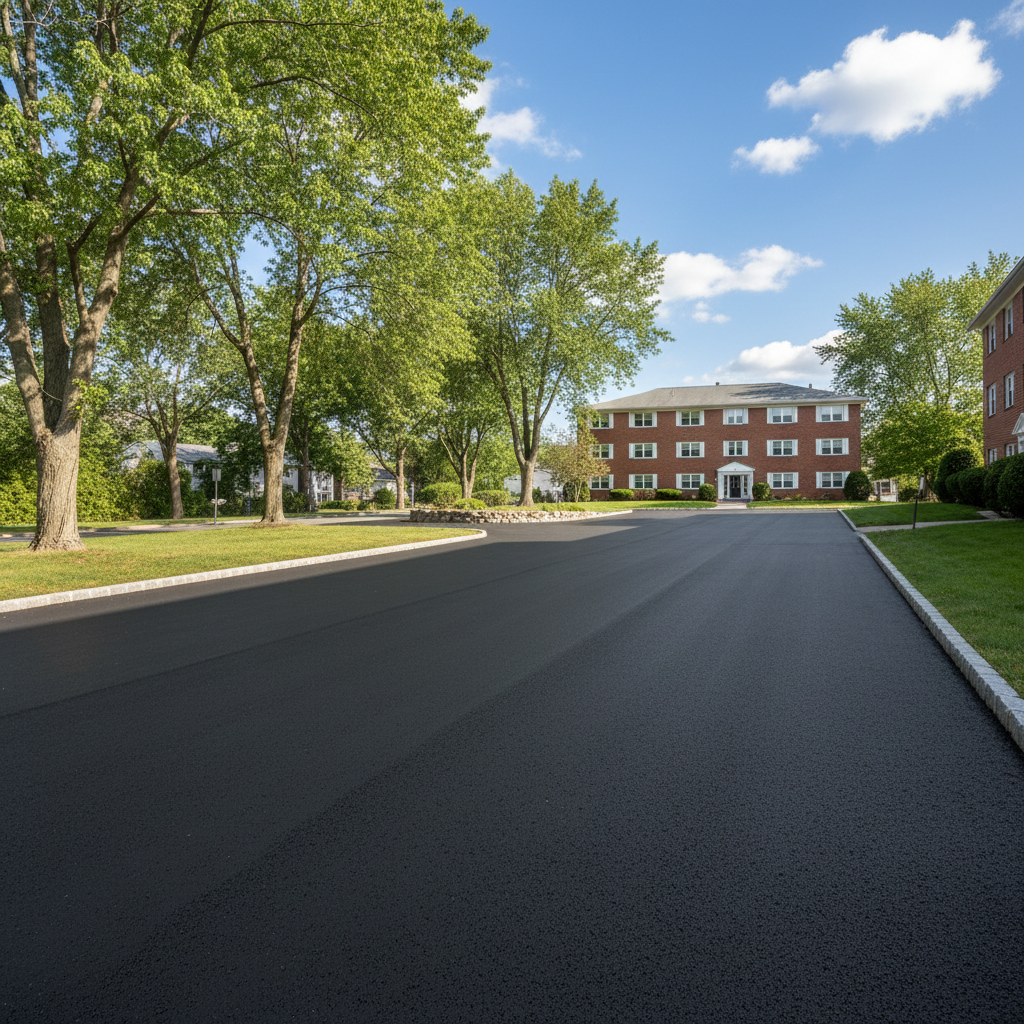
So, you've got a commercial spot here in Lynn, right? Maybe it's a small business, an apartment complex, or even just a big private drive that gets a ton of traffic. If you're thinking about a fresh asphalt job or a major repair, that's a smart move. Good pavement really boosts curb appeal and safety. But, trust me, I've watched plenty of folks trip up when they're planning or hiring for these bigger projects. It's just not the same as getting your home driveway done; there's more to think about, and the stakes are usually higher.
Mistake #1: Not Really Knowing Your Project's Full Scope
This is probably the biggest one out there. Lots of property owners, even those with commercial sites, treat a large asphalt project like it's just a bigger version of their driveway. It isn't. For a commercial space, you've got different load requirements, specific drainage needs, and often, more complicated permitting. Are you paving a parking lot for heavy delivery trucks, or is it just for a small office building with light car traffic? The base, the asphalt's thickness, and even the kind of asphalt mix all need to be different. If you don't nail this down from the start, you'll either end up with a job that's too small and fails fast, or you'll pay too much for something way overbuilt. Talk to a pro who really gets commercial specifications right from the get-go. Don't just say, "I need a parking lot." Tell them what vehicles will use it, how often, and what the ground is like now.
Mistake #2: Skipping a Real Site Evaluation and Drainage Plan
You can't just slap asphalt over whatever's there and expect it to last, especially with our Lynn weather. We get those heavy spring rains, and if water isn't handled right, it'll sneak under your pavement, freeze, thaw, and just tear it apart. I've seen commercial lots in spots like West Lynn, where the ground can be a little marshy, get totally ruined in just a few years because no one bothered with proper drainage. A good contractor isn't just looking at the surface; they're checking out the sub-base, the soil, and how water moves on and off your property. They should be talking about grading, catch basins, and maybe even permeable solutions. If a contractor just gives you a quote based on square footage without even walking the site and asking about drainage, that's a huge warning sign. You're basically setting yourself up for early cracks and potholes.
Mistake #3: Going for the Absolute Lowest Bid Without Doing Your Homework
Look, I get it. Money talks, and everyone wants a good deal. But when it comes to commercial asphalt, the cheapest bid is almost never the best value. There's a reason some contractors can quote much lower prices: they're cutting corners. This might mean less aggregate in the base, thinner asphalt, lower quality materials, or crews who don't have enough experience. A commercial lot has to stand up to years of abuse. If you hire someone who isn't properly insured, licensed, or doesn't have a track record with commercial projects, you're taking a huge risk. Ask for references, especially for commercial jobs they've done nearby. Call those references. Check their online reviews. Make sure they're a real business, not just some guy with a truck. Oasis Asphalt, for instance, has been doing this for years, and we stand by our work. You want someone who'll still be around if an issue pops up a year or two down the road, don't you?
Mistake #4: Ignoring Maintenance Planning From Day One
Once your new asphalt is in, the job isn't finished. Commercial pavement, even if it's installed well, needs ongoing care to make it last as long as possible. That means regular sweeping, crack sealing, and sealcoating. I've seen beautiful new parking lots in Lynn look terrible after only a few years because the property owner thought it was a "set it and forget it" kind of deal. Oil spills, heavy traffic, and our New England winters are brutal. A good contractor will talk to you about a maintenance plan, not just the installation. They'll explain when to sealcoat, how often to check for cracks, and what to do about oil and gas leaks. Factor this into your long-term budget. It's always cheaper to maintain than to replace, after all.
Mistake #5: Not Getting a Detailed Contract in Writing
This might seem obvious, but you'd be surprised. For a commercial project, your contract needs to be incredibly detailed. It should spell out the exact thickness of the base and asphalt layers, the type of asphalt mix, the scope of any excavation or grading, drainage solutions, timelines, payment schedules, and warranties. Don't rely on verbal agreements. If it's not in writing, it basically doesn't exist. This protects both you and the contractor and makes sure everyone is on the same page. If a contractor tries to rush you into signing something vague or doesn't want to put specifics in writing, just walk away. You're making a big investment; treat it like one.
Avoiding these mistakes will save you a lot of headaches and money in the long run. Do your homework, ask the tough questions, and partner with a reputable contractor who really understands the unique demands of commercial asphalt work here in Lynn.