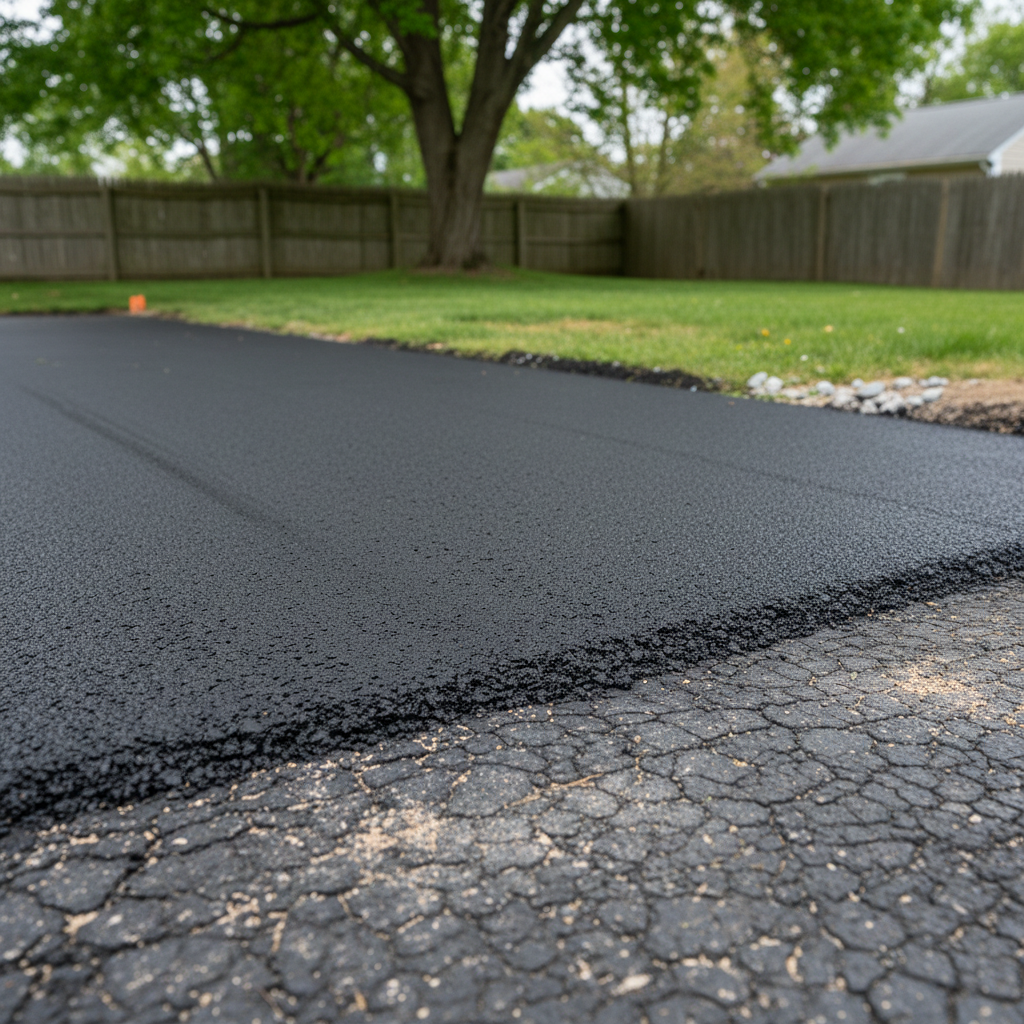
A crumbling section of driveway or a pothole can cause issues every time you come home in Lynn, MA. Around here, dealing with winter damage is part of homeownership. Between the heavy coastal moisture and our brutal New England freeze-thaw cycles, asphalt takes a very serious beating. Water sneaks into tiny cracks, freezes solid, expands, and breaks the pavement apart from the inside out. A minor surface flaw turns into a large hole that can damage your car tires.
When that happens, you have to decide whether to grab a bag of cold patch from the hardware store or call in an asphalt contractor. Oasis Asphalt can break down what you can realistically handle on a Saturday morning versus when you need to hand it over to a professional crew.
When DIY Asphalt Patching Actually Works
If you are dealing with a shallow surface depression or a small, isolated hole that has not compromised the gravel base underneath, you can probably tackle Asphalt Repair yourself. Cold-patch asphalt is sold everywhere, and it is designed for quick, temporary fixes.
- Sweep out all the loose debris, dirt, and standing water from the hole until you hit firm material.
- Apply a heavy-duty asphalt tack coat if the manufacturer recommends it so the new material grips the edges.
- Dump the cold patch into the hole, leaving it mounded an inch or so higher than the surrounding pavement to account for compaction.
- Pack it down hard using a heavy hand tamper or the flat side of a 4x4 post. If you do not compact it thoroughly, your car tires will pull it right back out.
Keep in mind that cold patch is meant to buy you time. It is a temporary solution, especially in older Lynn neighborhoods where the original sub-base might be shifting or thin. It will get you through the season, but do not expect it to last five years.
When You Need to Call the Pros
Some driveway damage goes way beyond what a bucket of cold patch can fix. If you see certain red flags, trying a DIY fix is just throwing money away.
- Alligator cracking, which means webs of small cracks that look like reptile skin, means the base beneath the asphalt has failed completely and can no longer support weight.
- Potholes that keep returning in the exact same spot year after year point to an underlying drainage or sub-grade failure.
- Depressions where water pools deeply after every rainstorm mean the pitch or foundation needs proper correction.
When the structural integrity of the pavement is gone, you need hot mix asphalt, proper compaction equipment, and sometimes sub-base excavation. That is when Oasis Asphalt rolls in with heavy gear to cut out the damaged square, prep the stone base correctly, and lay down hot asphalt that bonds with the surrounding driveway.
Taking care of small patches early keeps your Asphalt Driveway safe and stops water from getting deeper into the sub-base. Be honest about the scale of the damage before you spend your weekend sweating over a bag of patch material that might only last until the next hard freeze.