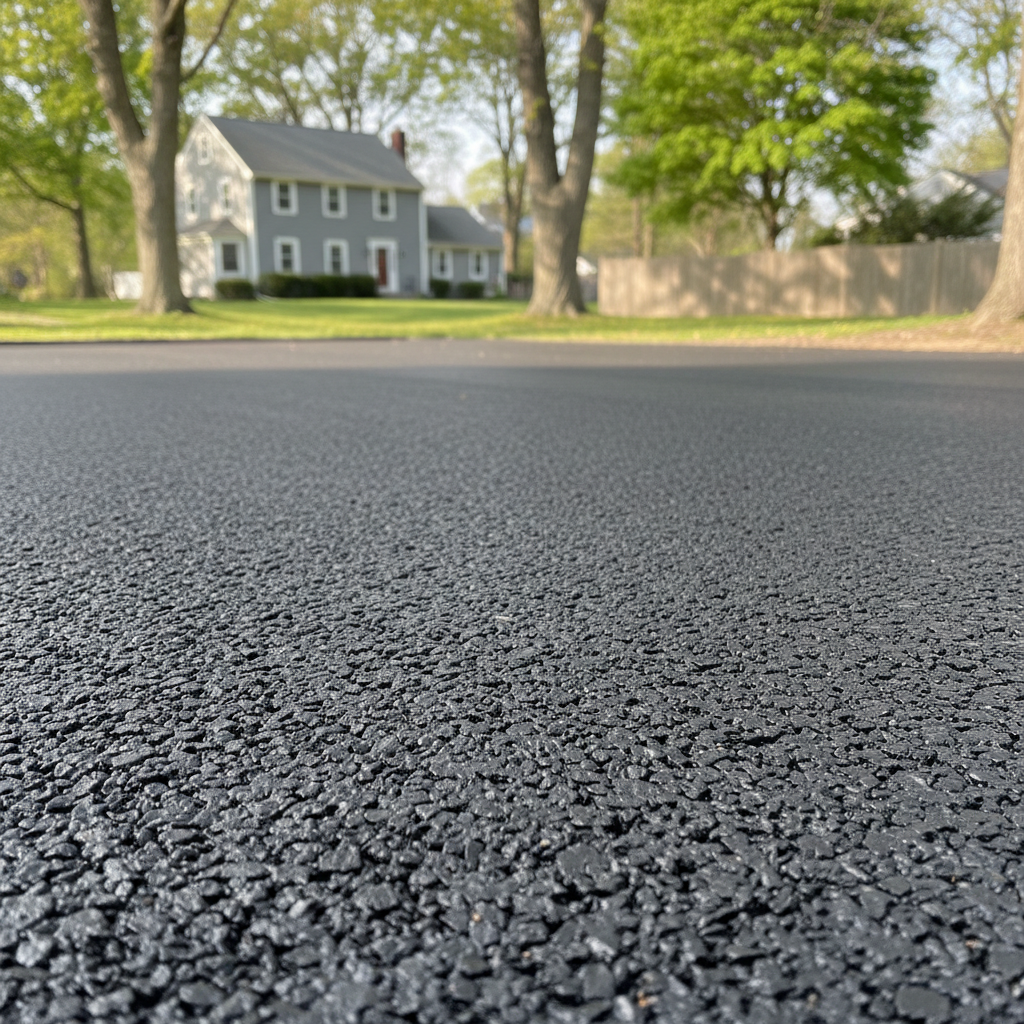
Thinking about a big asphalt project for your property? Maybe it’s a long driveway, a shared private road with neighbors, or even the parking lot for your small business in West Lynn. Whatever it is, when we talk about 'commercial asphalt,' we're usually talking about projects that are bigger and often more complex than your typical residential driveway. It’s a whole different ballgame, and you need to know what you’re getting into.
Before the Shovels Hit the Ground: Planning is Key
This is where you can do a lot of legwork yourself, and it’ll save you headaches and money down the line. First off, figure out what you actually need. Are we talking about a brand-new installation, or is it an overlay on an existing surface? Do you need drainage? What kind of traffic will it see – just a few cars, or heavy trucks delivering goods?
You’ll want to walk the area thoroughly. Look for low spots where water pools, any existing cracks or potholes, and think about how people and vehicles will move through the space. Drainage is huge, especially with our Lynn weather; you don't want water sitting on your new asphalt, freezing and thawing, and wrecking it in a few years.
Permits. Don’t forget about permits. Depending on the size and scope, you might need one from the city. A good contractor will usually help you navigate this, but it’s smart to be aware of it upfront. You don't want to get halfway through a job only to find out you're in violation.
Budget. Get a realistic idea of what you can spend. Commercial-grade asphalt projects aren't cheap, but they're an investment. Don't just go for the lowest bid without understanding what's included.
During the Project: What to Watch For
Once you’ve picked a reputable contractor – and I can't stress enough how important that is – the real work begins. Your main job during this phase is communication and observation. You're not expected to be an asphalt expert, but you should know what's happening.
- Site Preparation: This is arguably the most critical part. They should be clearing the area, removing old pavement if necessary, and properly grading the sub-base. A solid, well-compacted sub-base is the foundation of your asphalt. If they skimp here, your pavement won't last.
- Drainage: Pay attention to how they're addressing water flow. Are they sloping the surface correctly? Are catch basins or French drains being installed where needed?
- Asphalt Layer: Watch the thickness. Your proposal should specify the compacted thickness. For a commercial job, you're usually looking at 2-4 inches of compacted asphalt, sometimes more depending on traffic. Don't let them lay a thin layer just to save a buck; it'll fail quickly.
- Compaction: After the asphalt is laid, it needs to be compacted with heavy rollers. This is what makes it dense and durable. You should see rollers working steadily until the surface is smooth and tight.
Ask questions if you see something that doesn't look right. A good crew, like the folks at Oasis Asphalt, will be happy to explain their process. You're paying for a quality job, so make sure you're getting one.
After the Job is Done: Protecting Your Investment
The asphalt is laid, it looks great, now what? Your job isn't over. Proper care and maintenance will significantly extend the life of your pavement.
- Curing Time: Give it time to cure. Your contractor will tell you how long to keep heavy vehicles off it, usually a few days. Don't drive on it too soon, especially in hot weather, or you'll leave tire marks and indentations.
- Sealcoating: This is a big one. About 6-12 months after installation, you should get it sealcoated. This protects the asphalt from UV rays, water, and chemicals like oil and gas. Then, plan to re-sealcoat every 2-3 years, depending on traffic and wear.
- Crack Repair: Don't ignore cracks. Even small ones can let water penetrate the base, leading to bigger problems. Get them filled promptly.
- Drainage Checks: Periodically check that your drainage system is working. Clear out any debris from catch basins or culverts.
While you can sweep and keep an eye on things, most of the actual repair and maintenance work, especially crack filling and sealcoating, is best left to professionals. It requires specialized equipment and materials to do it right. Trying to DIY a large sealcoating job usually ends up looking messy and not providing the protection you need.
Getting a commercial asphalt project done right takes planning and attention to detail. But with a bit of knowledge and a good contractor, you'll have a durable, long-lasting surface that adds value to your property for years to come.